
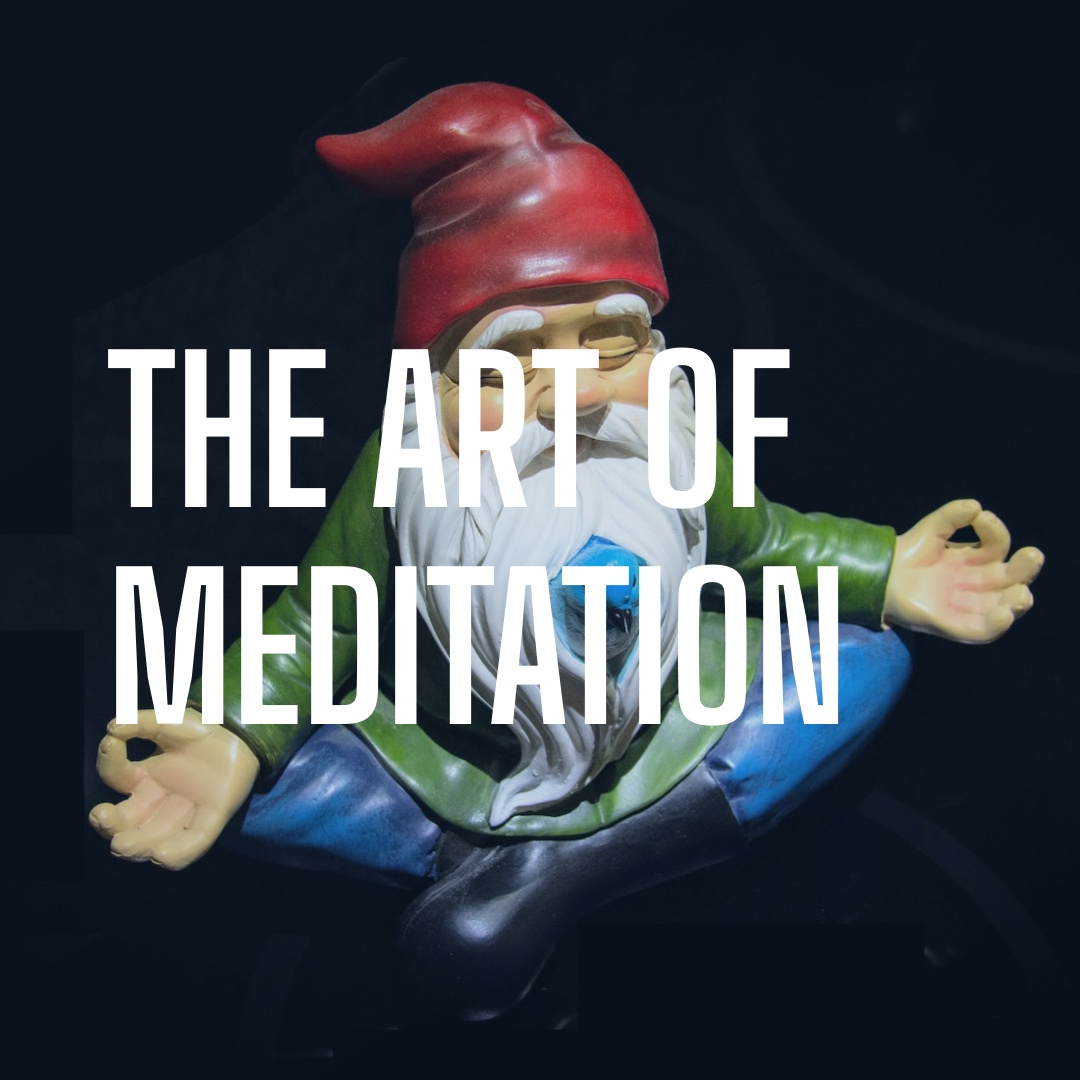

It can be done anywhere and at any time, It is simply a matter of taking a few moments to sit quietly and focus on the breath or a mantra. With practice, one can learn to quiet the mind and become more mindful of the present moment. The practice can be used to gain insight into one's thoughts, feelings, and emotions, as well as to become more aware of the world around us. With regular practice, meditation can help to create a more peaceful and balanced life.
It can provide a wide range of physical, mental, and emotional benefits. It involves focusing your mind on a particular object, thought, or activity to train attention and awareness. Here are some ways in which meditation can help you: Stress Reduction: It is known for its stress-reduction benefits. It can help you relax, lower the production of stress hormones, and improve your ability to cope with stress.
Improved Emotional Well-Being: It can enhance your emotional well-being by promoting positive emotions and reducing symptoms of anxiety and depression. It can increase feelings of happiness, gratitude, and empathy.
Better Concentration and Attention: Regular meditation practice can enhance your ability to focus and concentrate. It trains your mind to stay present and be less distracted by racing thoughts.
Mindfulness: Mindfulness meditation can help you become more aware of the present moment. It encourages you to observe your thoughts and feelings without judgment, which can lead to greater self-awareness.
Enhanced Self-Awareness: Meditation can increase your understanding of yourself, your habits, and your thought patterns. This self-awareness can help you make positive changes in your life. Improved Sleep: Many people find that it can help improve the quality of their sleep. It can relax the mind and reduce insomnia symptoms.
Pain Management: Meditation techniques, such as mindfulness and body scan have been used to help manage chronic pain conditions by changing the perception of pain.
Lower Blood Pressure: Meditation has been shown to have a positive impact on blood pressure, helping to reduce hypertension.
Boosted Immune System: Some studies suggest that regular meditation may strengthen the immune system, potentially making you more resistant to illness.
Enhanced Problem-Solving: Meditation can improve your cognitive abilities and creativity by promoting clearer thinking and helping you see problems from different angles.
Reduced Symptoms of Anxiety and Depression: It can be an effective complementary practice in managing symptoms of anxiety and depression. It encourages a more balanced and calm mental state.
Greater Resilience: Meditation can help you become more resilient in the face of challenges and setbacks by teaching you how to remain calm and focused under pressure.
Increased Compassion and Empathy: Some practices, such as loving-kindness meditation, can enhance your ability to feel empathy and compassion for others.
Better Relationships: Improved self-awareness, emotional regulation, and communication skills can lead to healthier and more fulfilling relationships.
Personal Growth: It can be a tool for personal growth and self-improvement, helping you work on areas of your life that you want to change or develop. It's important to note that the benefits of meditation often become more pronounced with regular and consistent practice.
To get the most out of meditation, it's a good idea to find a technique that suits you and integrate it into your daily routine. Whether you choose mindfulness, loving-kindness, transcendental, or another method, consistent practice can help you experience these benefits over time.
It is estimated that over 200 million people around the world practice some form of meditation. This number is likely to be even higher as many people practice in silence and do not report their practice. The practice is growing in popularity, especially in the West. This is likely due to the fact that more people are becoming aware of its benefits. With the growing awareness of the benefits to meditate, it is likely that more people will continue to practice it in the future.
Transcendental Meditation (TM) is a specific form of mantra meditation that was developed by Maharishi Mahesh Yogi in the 1950s. It gained popularity in the West during the 1960s and has continued to be a well-known meditation technique. TM is distinctive in its approach and methodology: Use of a Mantra: In TM, practitioners are given a specific mantra (a word or sound) by a certified TM teacher. This mantra is chosen for each individual based on a specific process and is meant to be repeated silently during meditation.
Effortless Practice: TM is often characterized by its emphasis on effortlessness. Practitioners are encouraged to allow thoughts to come and go naturally, without concentration or deliberate focus on the mantra.
Regular Practice: TM is typically practiced for 15-20 minutes, twice a day—once in the morning and once in the evening. Closed-Eye Meditation: During TM, individuals sit comfortably with their eyes closed, repeating the mantra silently in their mind. The process is meant to lead to a state of restful alertness.
Progressive Benefits: Advocates of TM claim that it can lead to various benefits, including reduced stress, increased creativity, improved focus, and enhanced overall well-being.
Personal Instruction: Learning TM typically requires personal instruction from a certified TM teacher, which involves a series of one-on-one or group sessions. Cost: TM often comes with a fee for the initial instruction, and the cost can vary depending on the organization or teacher. It's important to note that while many people find value in TM and report experiencing positive effects, scientific research on its unique benefits is mixed, and some critics argue that the claims about its distinctiveness compared to other meditation practices are overemphasized.
If you are interested in learning Transcendental Meditation, it's recommended to seek out a certified teacher through the official organization, which is known as the TM program. However, there are many other forms of that you can explore as well, and the most important thing is to find a practice that resonates with you and can be integrated into your daily life.
Do I need any special equipment? No, you don't need any special equipment to practice . It is a simple and accessible practice that can be done with very little, if any, equipment.
Here's what you need: Comfortable Clothing: Wear loose, comfortable clothing that allows you to sit or lie down without feeling restricted. This is to ensure that you can sit or assume your chosen posture without discomfort.
Quiet Space: Find a quiet and peaceful place where you won't be easily distracted. While you don't need special equipment for this, having a quiet environment can be helpful.
A Comfortable Seat or Cushion (Optional): If you're practicing seated meditation, you may want a cushion or chair for comfort. A cushion, often called a "zafu," can provide support for your posture. However, it's not strictly necessary.
Timer or Clock (Optional): Some people find it helpful to set a timer to signal the end of their session, especially if they are concerned about running over time. You can use your phone's timer or any clock with a quiet alarm.
Guidance or Apps (Optional): While not equipment, you may find it helpful to have meditation guidance or apps on your phone or computer. There are various apps available that provide guided meditation sessions and timers.
Meditation Mat (Optional): If you prefer to meditate on the floor, you can use a yoga mat for added comfort. However, this is also optional. Remember that the essence of meditation is to focus your attention and cultivate mindfulness, and this can be done virtually anywhere without any special equipment. As you become more experienced , you'll find that you can practice it in a variety of settings and situations, adapting to your preferences and needs. The most important element is your commitment to practice and consistency over time. Thanks for reading! Want to learn more?
Pick up a copy of our ebook The Art of Meditation for a special price> CLICK HERE